Pacific Plate
A map showing tectonic plates and volcanos.

Human-centred computing researcher specialised in visualisation and spatial computing technologies.
Projects as main investigator.
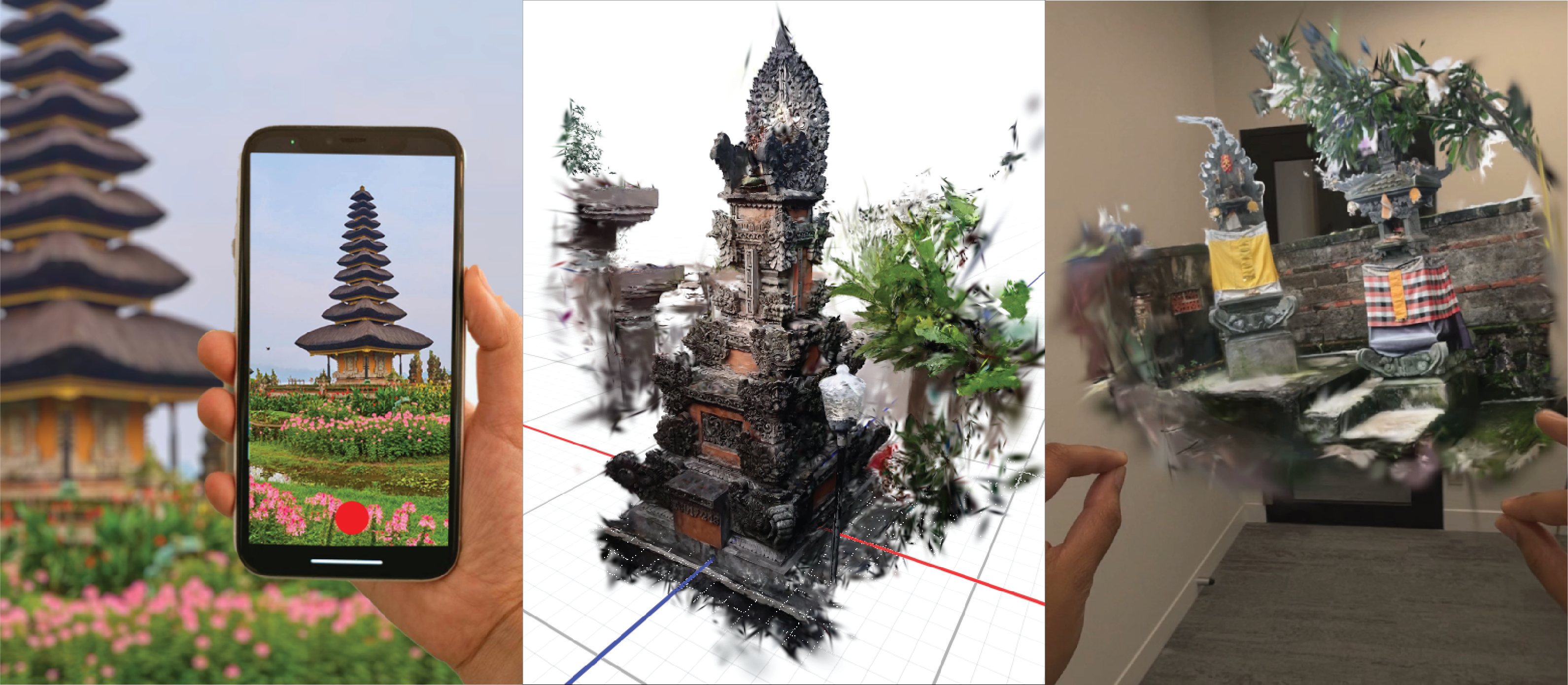
The Bali Digital Heritage Initiative (BADHI) aims at empowering Balinese communities in the preservation of the Balinese culture through digitisation efforts. Bali is susceptible to natural disasters such as earthquakes, landslides, and volcanic eruptions. Throughout history, temples in Bali have been repeatedly affected or altered by these events, and renovations also often lead to changes in their structures. Through this project and the future platform, the Balinese community can maintain records of their temples, preserving their cultural values and identity for generations to come. The BADHI project is a collaborative project with Universitas Pendidikan Ganesha.
Start year: 2024. Status: ongoing.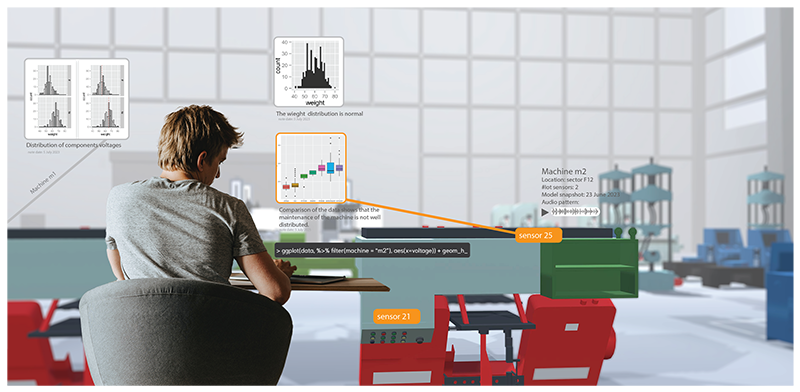
This project investigates immersive data analytics workspaces and data storytelling techniques that are rich in contextual information. It aims to establish empirically derived design guidelines around cognitive and physiological aspects.
Start year: 2026. Status: ongoing.I am also involved as a co-investigator in other projects. Highlights:
This research explores globes and maps visualisation with augmented reality. The project is a collaboration between the Embodied Visualisation group and the David Rumsey Map Center at Stanford University to explore the future of immersive globes. The Globes application for Vision Pro that we developed has been published on the App Store.
Start year: 2024Status: ongoingEffective nurse handover in intensive care units (ICUs) is hindered by high cognitive load, fragmented data systems, and information loss during shift transitions. This project aims to develop a framework for in-situ augmented reality and AI-powered system that supports ICU nurses through hands-free information access, procedure guidance, and documentation assistance to enhance handover quality under stress.
Start year: 2025Status: ongoingThis project is a collaboration between with Universitas Pendidikan Ganesha. The research aims to better understand the benefits and challenges of Augmented Reality applications in building visitors' awareness of sacred contextual information in Balinese temples.
Start year: 2024Status: completedThe project aims to improve dental care experiences for people with disabilities, who may experience dental care avoidance or poorer oral health outcomes due to varied sensory preferences, potential for heightened anxiety, cognitive communication changes and limited provider training.
Start year: 2025Status: ongoingA map showing tectonic plates and volcanos.
A visualisation project during my master.